Stormwater and Drainage Lead (TE3)
State of Washington
RecentPosted Jan 6

Posted: January 8, 2026 (7 days ago)
This job was posted recently. Fresh listings typically have less competition.
State of Washington
Dept. of Fish and Wildlife
Location
Washington, 98504
Salary
$3,581 - $4,771
per month
Type
Full Time
More Maintenance & Trades jobs →Closes
This job involves working outdoors to survey ponds and wetlands, collect data on animals like amphibians and fish, and study how urban stormwater affects wildlife habitats in the Puget Sound area.
It's a temporary role lasting about six months, focused on environmental monitoring and conservation efforts.
A good fit would be someone with a passion for nature, basic science skills, and comfort in field work who wants hands-on experience in protecting ecosystems.
Title- Stormwater Biodiversity Technician
Classification- Scientific Technician 2
Job Status- Full-Time/Non-Permanent
Appointment Length- 6.5 Months
– February 15, 2026 – August 31, 2026
WDFW Program- Habitat Program – Science Division
Duty Station- Olympia, Washington – Thurston County
Learn more about being a member of Team WDFW!
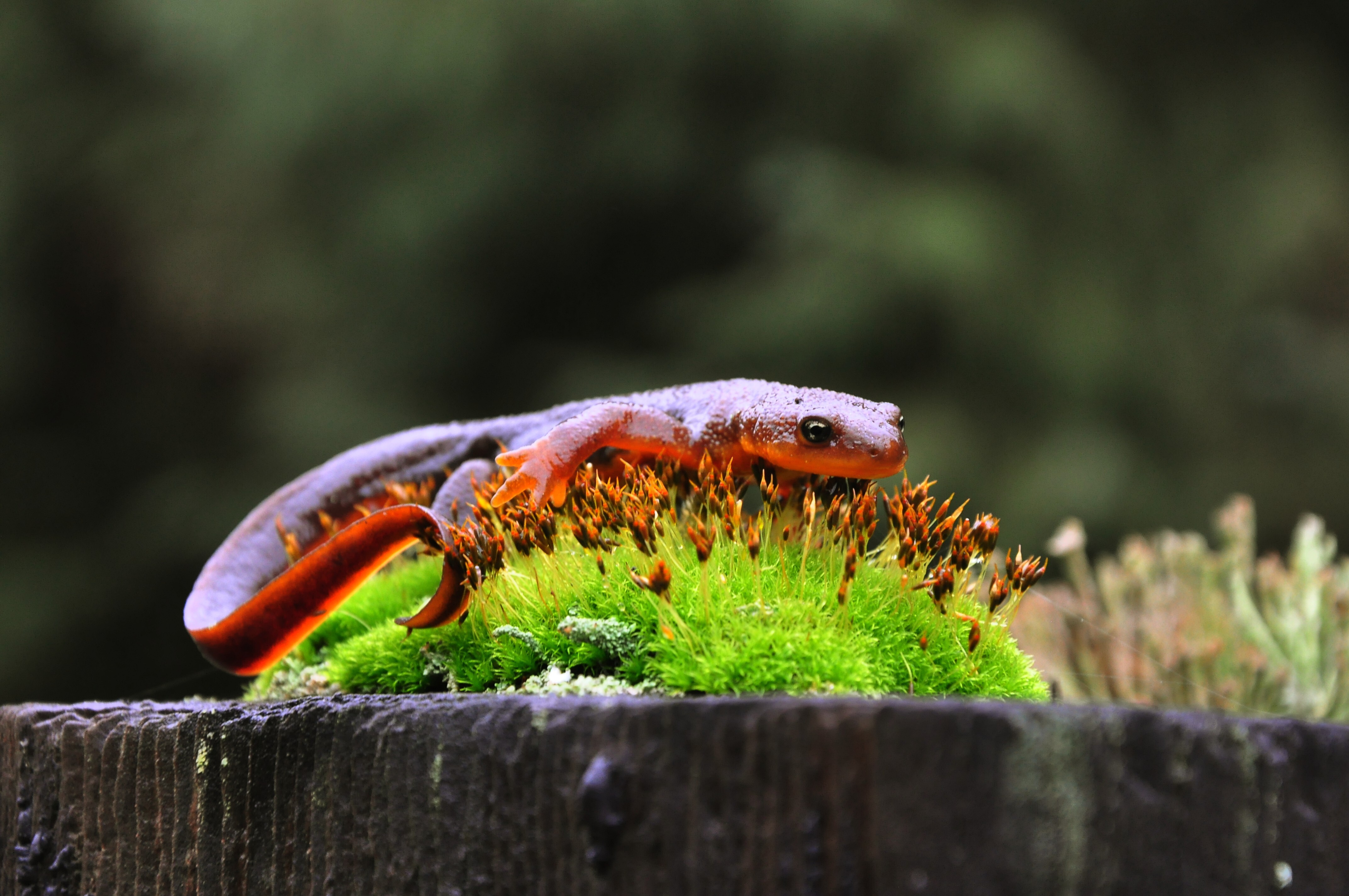
Photo Caption: Rough Skinned Newt – Photo Credit: WDFW
Join WDFW and contribute to the conservation of Washington’s fish, wildlife, and ecosystems through pond surveys, in-water and upland habitat assessments, and data collection.
This is an opportunity to partake in a monitoring project funded by the Stormwater Strategic Initial Lead (SSIL) targeted at evaluating and considering improvements to stormwater pond features to protect fish and wildlife from priority toxics in urban runoff.
In this role, you will assist in studying the impact of 6PPDQ (a chemical that prevents automotive tires from degrading) on amphibians in stormwater ponds and natural wetlands around the Puget Sound region; help understand which design and management conditions allow constructed stormwater ponds to function as habitat for native amphibians; and help establish environmentally relevant baseline 6PPDQ concentrations in stormwater ponds and downstream salmon-bearing waterways across an urban gradient.
What to Expect-
Among the varied range of responsibilities held within this role, the Stormwater Biodiversity Technician will,
Conduct data collection and data management in support of fish, wildlife, and habitat research to evaluate how stormwater pond design and management promotes aquatic species abundance and diversity:
Enter, Quality Assurance/Quality Control (QA/QC), and summarize data:
Maintain and organize field equipment and supplies:
Working Conditions:
Work Setting, including hazards: Work is primarily performed in the field, with some office work. Up to 90% of work will occur in the field or preparing to go in the field during the focal field season.
Field work includes navigating and hiking off-trail through vegetation that may be extremely dense, over steep slopes, along and within wetlands, throughout managed landscapes on foot, over downed trees and wood, and up streams that may be slippery.
Navigating along and within streams and ponds and steep terrain is required.
Frequently carry a moderately heavy pack (typically weighing under 40 pounds) that includes sampling equipment (such as hand net, iPad, field notebook, instream temperature sensors, measuring tape) and personal supplies (first aid kit, water, lunch, snacks, rain gear), and at times a field laptop.
Infrequently carry by hand 5-gallon buckets, dip nets, and rebar.
Navigate and drive on state and county roads throughout western Washington. This position may involve working in or near water, including tasks that require navigating, negotiating, and performing duties related to water environments.
Schedule: This position is full-time, Monday–Thursday, 10 hours per day, working 40 hours per week. The standard work schedule includes the potential for occasional evening or weekend work as needed. Schedules may vary based on business needs, time of year, and/or weather conditions.
Travel Requirements: Field work will be a mixture of daily trips to field sites located within driving distance of the NRB and overnight lodging near study sites.
Tools and Equipment: Vehicles (4WD trucks and SUVs), field and safety equipment, iPads and other data collection devices, monitors/sensors, and a laptop.
Customer Interactions: Interact with landowners and academic/local jurisdiction project partners. Maintain positive and productive working relationships with project partners and neighbors adjacent to study sites, and provide proof of access permits if requested.
Qualifications:
Required Qualifications:
Option 1: Graduation from high school or GED, including one (1) year of high school science
AND
Two (2) years of experience as a Scientific Technician 1.
Option 2: Graduation from high school or GED, including one (1) year of high school science
AND
Two (2) years of laboratory or field experience as an assistant to a biologist, chemist, or zoologist.
Please Note: College course work involving major study in biology, zoology, fisheries, chemistry, natural sciences, or closely allied field will substitute, year-for-year, for experience, provided the course work includes at least six (6) semester or nine (9) quarter hours of natural science classes.
Certifications/Licenses:
Valid Driver’s License.
Preferred Qualifications:
In addition to the required qualifications, our ideal applicant will possess some or all the following:
Bachelor’s degree in a relevant field (such as biology, ecology, or wildlife biology).
Two (2) years of professional experience conducting field research or monitoring.
One (1) year or more of experience in/with:
Amphibian Monitoring:
Data Collection and Processing Software:
Conducting Research Independently and Within a Team:
Your application should include the following:
This position is in the bargaining unit represented by the Washington Association of Fish & Wildlife Professionals and is subject to the terms of the Collective Bargaining Agreement between the State of Washington, Department of Fish & Wildlife, and the Washington Association of Fish & Wildlife Professionals.

Check your resume before applying to catch common mistakes