Fisheries Invasive Species Technician - Scientific Technician 2 - Non-Perm - 4 Openings - 2026-01480
State of Washington
FreshPosted Feb 18

Posted: February 18, 2026 (1 day ago)
This job was posted recently. Fresh listings typically have less competition.
State of Washington
Dept. of Fish and Wildlife
Location
Washington, 98504
Salary
$3,581 - $4,771
per month
Type
Full-Time
More Maintenance & Trades jobs →Closes
This job involves hands-on fieldwork to help protect native fish like redband trout in Washington's rivers and lakes by removing invasive species such as northern pike and collecting data on fish populations.
You'll spend time on boats and in streams surveying fish, tagging them, and maintaining equipment for an 8-month project starting in April 2026.
It's a great fit for someone who enjoys outdoor work, has experience with fish handling or biology, and wants to contribute to environmental conservation in a team setting.
Title- Fisheries Technician
Classification- Scientific Technician 2
Job Status- Full-Time / Non-Permanent
Appointment Length- 8 months
– April 01, 2026 - November 30, 2026
WDFW Program- Fish Program – Fish Management Division
Duty Station- Spokane, Washington – Spokane County
Learn more about being a member of Team WDFW!
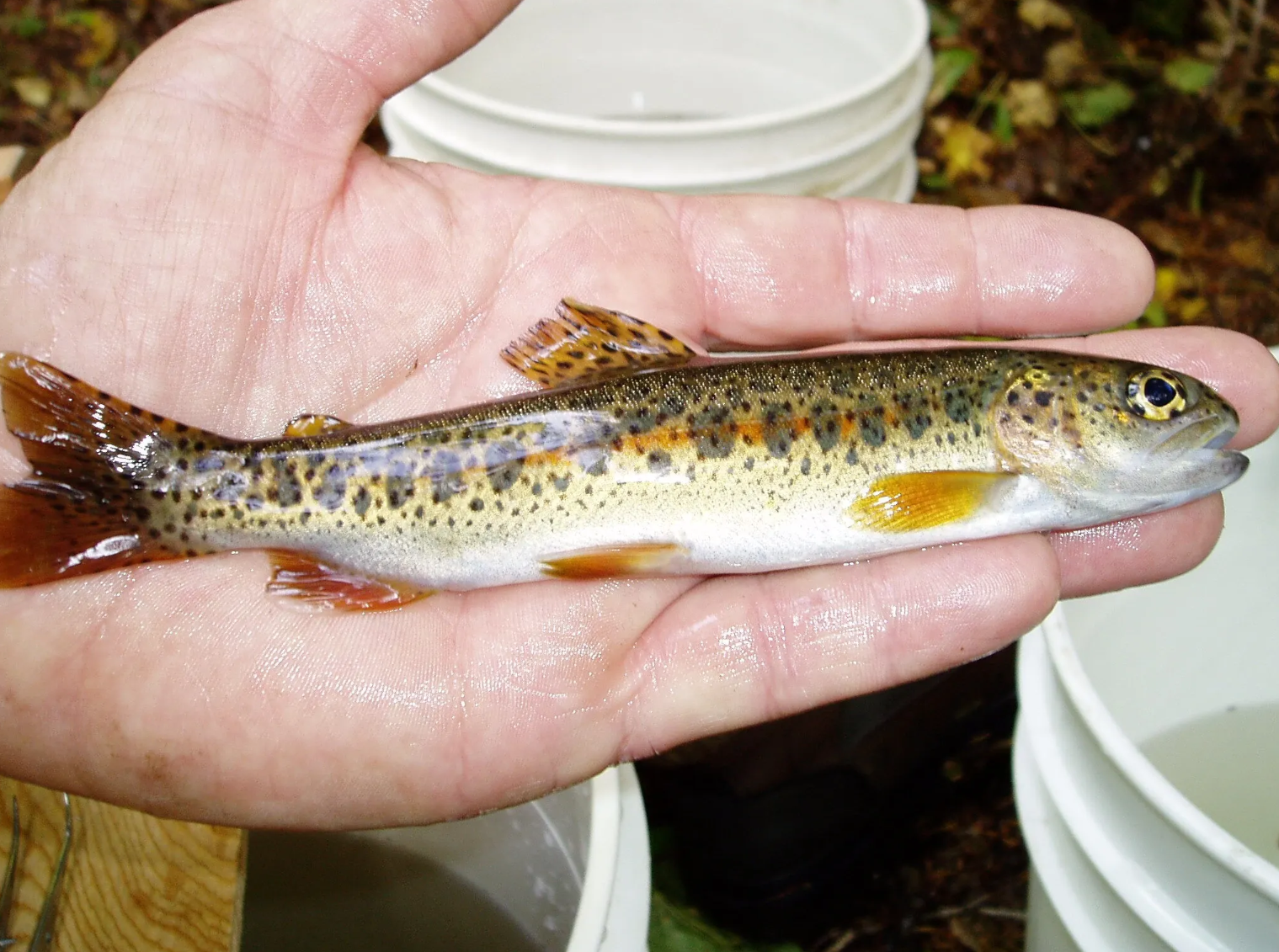
Redband rainbow trout – Photo Credit: WDFW
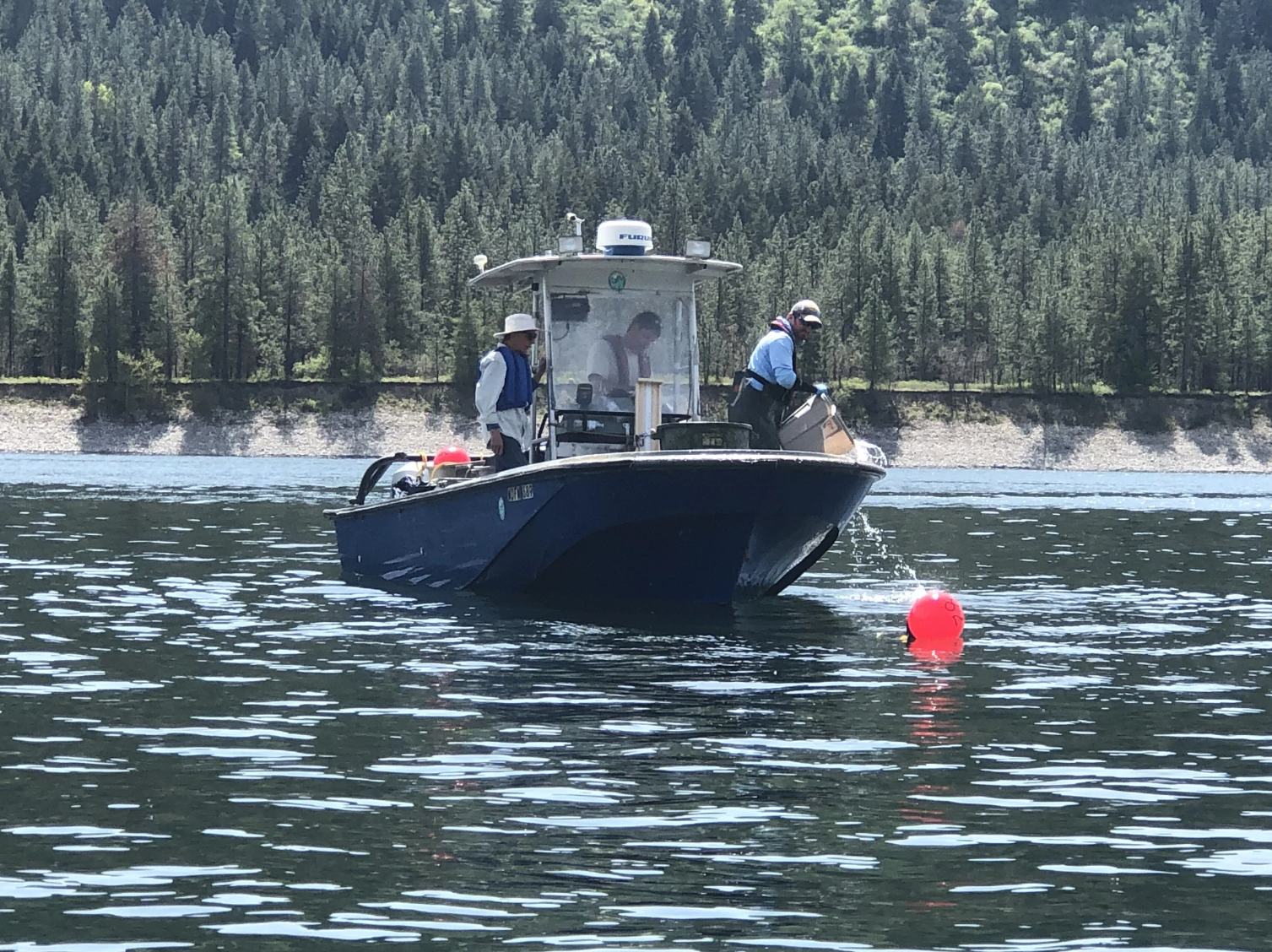
Lake Roosevelt Northern Pike Suppression Effort – Photo Credit: WDFW
Play a key role in advancing the mission of WDFW to conserve, enhance, and restore native fish populations in Washington State.
As a Scientific Technician 2, you will provide essential technical support to project lead biologists on the Northern Pike Suppression and Monitoring Project and Redband Trout stock assessment efforts in the upper Columbia River basin.
Working collaboratively with regional co-managers, this position supports suppression of aquatic invasive species, assists with rapid response actions as needed statewide, and helps catalog the presence and status of native Redband Trout populations in eastern Washington.
The work conducted in this role directly contributes to the conservation of native resident fish populations and supports anadromous fisheries below Grand Coulee Dam, ensuring long-term ecological health and fisheries sustainability in Region 1 and beyond.
What to Expect-
Among the varied range of responsibilities held within this role, the Fisheries Technician will,
Conduct Field Surveys:
Maintain Field Equipment:
Compile and Enter Data:
WORKING CONDITIONS:
Work Setting, including hazards:
Fieldwork occurs on boats and in streams for extended hours, often on large bodies of water. Boat conditions may include wet, slippery, and uneven surfaces, as well as wavy conditions.
Stream conditions may involve swift water, slippery or uneven substrates, cold water temperatures, and the presence of large woody debris and other submerged or overhead obstacles.
Schedule:
Typically Monday through Friday, 40 hours per week; however, actual days and hours may vary based on project needs. During field activities, workdays may exceed eight hours.
Occasional weekend and holiday work may be required. Work is conducted primarily during daytime hours but may extend into the evening as needed.
At times, working more than 40 hours per week may be necessary to meet project objectives.
Travel Requirements:
Extensive daily travel, including up to 200 miles per day in a vehicle with other crew members. Overnight travel may be required on occasion for up to 1 week at a time.
Tools and Equipment:
Pickup trucks; Vessels and trailers; vessel electronics including ultra-high frequency (UHF) radios and chart plotters/depth finders; vessel hydraulic systems; gill nets; ropes; buoys; anchors; fish picks; clubs; knives; backpack electrofishers; dip nets; block nets; passive integrated transponder (PIT) and Floy tagging equipment; PIT tag readers; water quality meters; flowmeters; environmental DNA (eDNA) sampling equipment; handheld global positioning system (GPS) units; scissors; manual and power hand tools (screwdrivers, wrenches, wire cutters, pliers, drills/screw guns, saws, and grinders); power washers; air compressors; electronic balances; direct current (DC) batteries and battery chargers; net repair tools; personal flotation devices (PFDs); and personal protective equipment (PPE; waders, rain gear, boots, gloves).
Customer Interactions:
May engage with the public at boat ramps, on the water, and with landowners during stream surveys.
QUALIFICATIONS:
Required Qualifications:
Option 1: Graduation from high school or GED, including one (1) year of high school science AND two (2) years of experience as a Scientific Technician 1.
Option 2: Graduation from high school or GED, including one (1) year of high school science AND two (2) years of laboratory or field experience as an assistant to a biologist, chemist, or zoologist.
Please Note: College course work involving major study in biology, zoology, fisheries, chemistry, natural sciences, or closely allied field may substitute, year for year, for experience, provided the course work includes at least six (6) semester or nine (9) quarter hours of natural science classes.
Certifications/Licenses:
Valid driver’s license.
Preferred Qualifications:
In addition to the required qualifications, our ideal applicant will possess some or all the following:
Certifications:
Include the items below with your application materials:
In addition to pay and other special employee programs, there are other benefits that WDFW employees may be eligible for. Click the “Benefits” tab at the top of this announcement to learn more.
Important Note:
All new employees must complete an Employment Eligibility Verification Form (I-9 Form) on their first day of work.
If hired for this or any position at WDFW, you will be required to provide documentation proving you are eligible to work in the United States.
For a list of acceptable documents, please use the following link: https://www.uscis.gov/i-9-central/form-i-9-acceptable-documents
Union- WAFWP:
This position is in the bargaining unit represented by the Washington Association of Fish & Wildlife Professionals and is subject to the terms of the Collective Bargaining Agreement between the State of Washington, Department of Fish & Wildlife, and the Washington Association of Fish & Wildlife Professionals.

Veteran and Military Spouse Preference Notice:
Per RCW 73.16.010 Veterans and qualifying spouses who meet the minimum qualifications of a position are eligible for preference during the initial application review stage. To receive this benefit, please do the following:
Diversity, Equity, and Inclusion Employer
As part of WDFW’s efforts to advance respectful and inclusive work environments, the Agency expects inclusivity as part of our professional interactions and communications.
Therefore, we want to ensure that all individuals feel welcome, are treated fairly and respectfully.
All staff are empowered to fully contribute to serving their work unit, Agency, and the citizens of Washington.
The Department of Fish and Wildlife is an equal opportunity employer.
We strive to create a working environment that includes and respects cultural, racial, ethnic, sexual orientation and gender identity diversity.
Women, racial and ethnic minorities, persons of disability, persons over 40 years of age, disabled and Vietnam era veterans and people of all sexual orientations and gender identities are encouraged to apply.
Request an accommodation: Persons needing accommodation in the application process or this announcement in an alternative format please contact Jayme Chase by phone 360-902-2278 or email Jayme.Chase@dfw.wa.gov, or the Telecommunications Device for the Deaf (TDD) at 800-833-6388.
Technical Difficulties: If you are having technical difficulties creating, accessing, or completing your application, please call NEOGOV toll-free at (855) 524-5627 or support@neogov.com.
Other questions: If you have other questions regarding this position, please reach out to Ashley.Lee@dfw.wa.gov and reference job #2026-01465.
Follow us on social media:
LinkedIn | Facebook | Instagram
AL
Check your resume before applying to catch common mistakes